Reliable Home Solutions Cares
Emergency preparedness and flood safety resources—simple, practical, and worth bookmarking.
Whether it’s heavy rain, snowmelt, or saturated ground, severe weather can change conditions quickly. Reliable Home Solutions created this page to make it easier to find basic emergency preparedness and flood safety guidance in one place.
At Home
A little preparation at home can reduce stress and help you respond faster when conditions change.
Put together emergency supply kits that you can grab and go.
Know how to shut off water, gas, and electricity if flooding impacts your home. Contact your local utility companies for guidance.
If you live in a flood-prone area, consider flood insurance. Standard homeowners insurance typically does not cover flood damage. FEMA offers flood insurance through the National Flood Insurance Program (NFIP).
In Your Vehicle
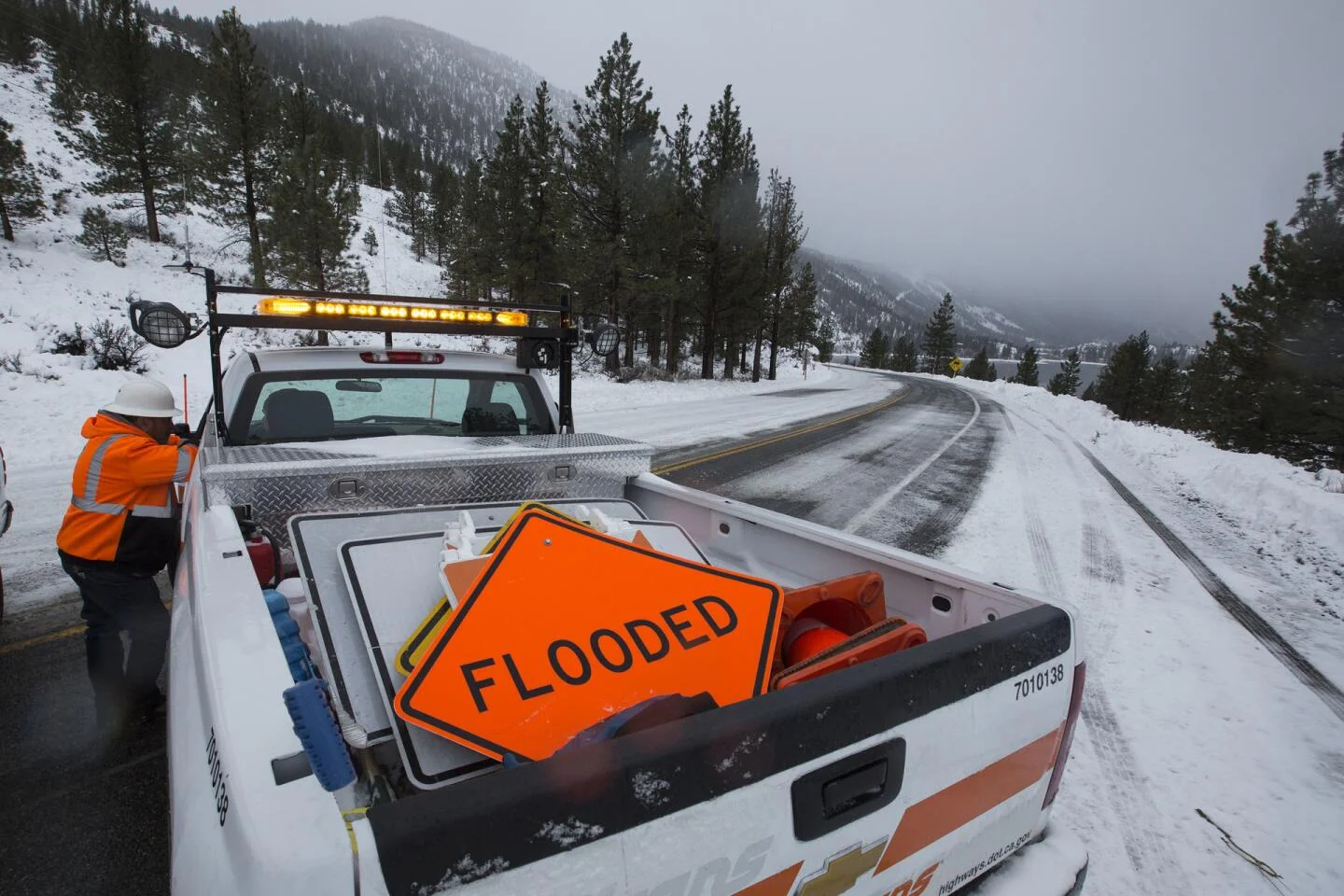
Flood conditions can become dangerous on the road—especially when water covers the roadway.
Avoid driving through floodwater. Roads can be washed out underneath the surface and currents can move a vehicle faster than expected.
Stay alert to warnings, road closures, and changing conditions when you’re away from home.
For quick reference, consider printing and keeping a flooding safety card in your glove box.
Reminder: Turn around, don’t drown.
Emergency Preparedness Kit
At a minimum, aim to have the basic supplies listed below:
Water: one gallon per person, per day (3-day supply for evacuation, 2-week supply for home).
Food: non-perishable, easy-to-prepare items (3-day supply for evacuation, 2-week supply for home).
Flashlight
Battery-powered or hand-crank radio (NOAA Weather Radio, if possible)
Extra batteries
First aid kit
Medications (7-day supply) and medical items
Multi-purpose tool
Sanitation and personal hygiene items
Copies of personal documents (medication list and medical info, proof of address, deed/lease, passports, birth certificates, insurance policies)
Cell phone with chargers
Family and emergency contact information
Extra cash
Emergency blanket
Map(s) of the area
Consider Additional Needs
Plan for everyone in your household and add items as needed:
Medical supplies (hearing aids + batteries, glasses, contact lenses, syringes, etc.)
Baby supplies (bottles, formula, baby food, diapers)
Games and activities for children
Pet supplies (collar, leash, ID, food, carrier, bowl)
Two-way radios
Extra set of car keys and house keys
Manual can opener
Preparing an Emergency Preparedness Plan
With your family or household members, discuss how to prepare and respond to emergencies most likely to happen where you live, learn, work, and travel.
Identify responsibilities for each member of your household and how you will work together as a team.
Practice as many elements of your plan as possible.